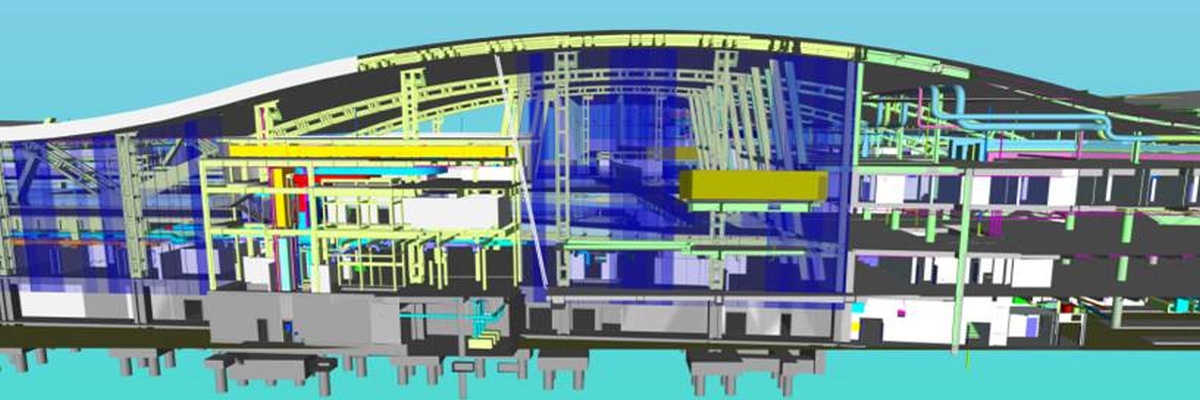
Within ISO 19650–aligned projects, deliverables are not merely documents but structured information outputs that enable decision-making, risk control, and value creation throughout the asset lifecycle. ProCS positions itself as a specialist consultancy providing the Information Management Function, ensuring that these deliverables are correctly defined, produced, coordinated, and governed across all project stages. The following deliverables form the backbone of effective information management and are aligned with both ISO 19650 principles and traditional project governance practices.
AIR – Asset Information Requirements
AIR define the information needed to support the operation, maintenance, and management of the asset once it is in use. They ensure continuity of information from delivery to operations. AIR are established by the Appointing Party during early project stages and refined through the asset delivery phase.
Within this framework, Organizational Information Requirements (OIR) form the strategic foundation by defining the high-level information needs driven by business objectives and decision-making priorities. AIR translate these strategic needs into operationally relevant asset information structures.
ProCS ensures that AIR are practical, structured, and aligned with operational systems and long-term asset management objectives.
EIR – Exchange Information Requirements
EIR specify the detailed information requirements that appointed parties must meet, including standards, methods, procedures, and milestones for information exchange. EIR are prepared by the Appointing Party during pre-contract and procurement stages.
In doing so, EIR also incorporate and formalize Project Information Requirements (PIR), translating project-specific information needs into clear contractual and procedural obligations aligned with procurement strategy, risk management, and traditional project control processes.
ProCS plays a critical role in defining, coordinating, and maintaining EIR to ensure contractual clarity and effective information delivery throughout the project lifecycle.
PIM – Project Information Model
PIM represents the federated and coordinated information produced during the design and construction phases to support project delivery and decision-making. PIM is developed by the Appointed Parties during the asset delivery phase. ProCS supports the Information Management Function by governing information workflows, model federation, QA/QC processes, and compliance with EIR and BEP requirements.
AIM – Asset Information Model
AIM is the structured information set that supports asset operation, maintenance, and management following project completion. AIM is progressively developed by Appointed Parties and handed over to the Appointing Party at project close-out. ProCS ensures that AIM is complete, validated, and aligned with AIR, enabling reliable transition from delivery to operations.
MIDP – Master Information Delivery Plan
MIDP defines the overall strategy and timetable for information delivery across the project, integrating all task-level plans into a single coordinated framework. MIDP is typically prepared by the Lead Appointed Party during early delivery stages.
The MIDP consolidates individual Task Information Delivery Plans (TIDPs) prepared by task teams, ensuring coordination, consistency, and alignment with contractual information requirements.
ProCS supports the development, coordination, and ongoing management of the MIDP to ensure realistic planning, accountability, and integration with traditional project schedules.
RACI – Responsibility Assignment Matrix
RACI matrices clarify roles and responsibilities for information management activities, reducing ambiguity and supporting effective governance. RACI definitions are typically established collaboratively during project initiation by both Appointing and Appointed Parties. ProCS facilitates the development of RACI structures to ensure accountability, coordination, and alignment with ISO 19650 roles.
BEP – BIM Execution Plan
BEP defines how information management processes will be implemented, including standards, procedures, responsibilities, and workflows. The pre-contract BEP is prepared during tender stages by prospective Appointed Parties, while the post-contract BEP is developed following appointment. ProCS supports and reviews BEP development to ensure consistency with EIR, ISO 19650 requirements, and practical project delivery realities.